I’ve been blown away by all the questions I’ve had over the last 24 hours! Really practical ones, thought provoking ones, ones from people I know, ones from complete strangers. I love that people are thinking about adoption, talking about it, stopping to consider. I know that it’s not for everyone, but I also know that the children who are waiting need people to stop and question if it just might be for them.
I thought I’d break the questions into some different topics, and write a couple of posts this week talking about them, starting, well, at the beginning. I had several questions about how to know when you’re ready to consider adoption (particularly if you have other children already), about gaining experience beforehand, and about the approval process and panel.
So I have to be honest in this, because we didn’t adopt via the traditional route. As we were already foster carers, and the two little ones came as a foster placement, we didn’t do the normal enquiry/information evening/assessment type road. Instead we had a ‘child-specific’ adoption assessment, tailored to the particular children we were applying to be approved to adopt.
However, five years before that, we did go through the assessment process to be approved to foster. We did the enquiry, the initial visit, the information evenings, the assessment, the panel. And nearly a year ago, I became an Independent Panel member for a Fostering Service. So although we didn’t do the adoption assessment traditionally, in a lot of ways its not dissimilar to the process to fostering approval, and I now have more of an insight into how panel consider assessments too. So I hope that this is still useful!
Q: “How do you know when it’s the right time? I sometimes feel at capacity with my children already!”
Brilliant question!!! Obviously the answer to that will be so unique to different families, but I can share my experience.
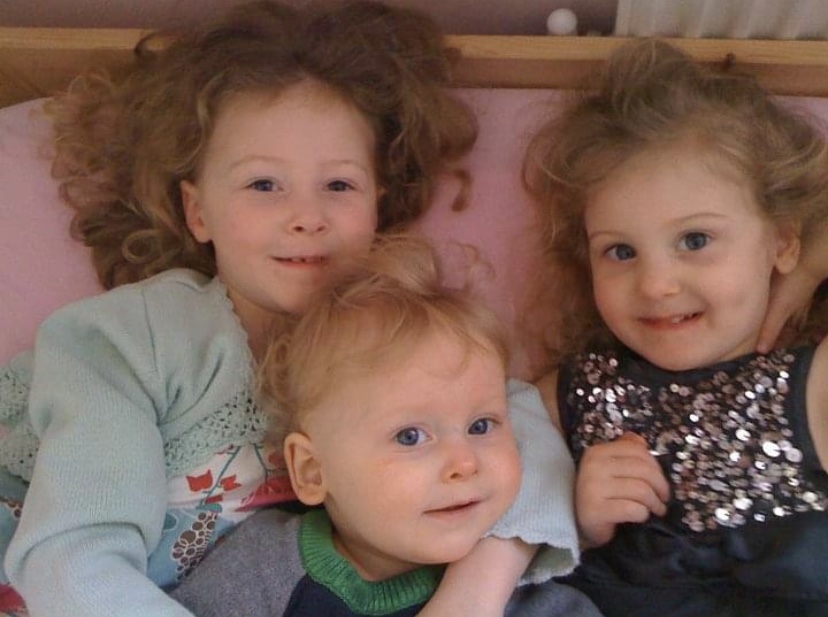
We had Megan and Maisie a year apart, and then Toby 2.5 years later. When I went back to work as a midwife, Maisie was still having a lot of health input following her cleft palate and repair as a baby, and it was a real challenge to care for three small children whilst juggling those appointments and shift work as a midwife. The maternity service was changing to 12.5 hour shifts, and I was reaching a point where I felt that I wasn’t caring well for either my family or my patients. When I was at work, I had my children and their needs on my mind, when I was at home, I felt anxious about the women and babies I had looked after, or what the shift ahead might hold. So we were getting to a point where I felt stressed most of the time, and we started considering what I might be able to do instead. Fostering was already something we both felt a desire to get involved in, but we’d thought it was something older couples did as their children left home. But the more we talked about it, the more we wondered whether it might be a good time to consider it. We already had a home full of toys, our birth children might make a foster child feel more comfortable, and although we would be adding to the busyness, it would mean I could be at home and available for appointments and school runs. And it would enable our birth children to grow up with the idea of sharing what we have been blessed with, and of choosing to go out of our comfort zones to care for others who are in need, even if that is hard at times.
So after looking into it a bit more via the council websites, considering the financial implications, and chatting to friends who fostered and a Social Worker friend, and praying, we just decided to bite the bullet and enquire. For us it was about trusting that God would make it clear along the way whether it was the right thing at the right time.
In terms of capacity, and the implication of adding more children to our already busy and still young household, I think the place I came to was that capacity grows as you stretch it. From the moment we brought Megan home as a new baby, I felt overwhelmed and incapable. I didn’t expect to feel like that, but my mental health was struggling, and she was a challenging, non-sleeping, collicky baby who much preferred her father to me! So when I became pregnant again when she was four months old, I couldn’t imagine how on earth I would manage. I would stand in her bedroom in the night rocking her to sleep and crying that I wouldn’t be able to manage. Fast forward nine months, and Megan was an early walking/talking one year old, and Maisie arrived with her undiagnosed cleft palate. And it was hard!

Yes, it was hard, but it also grew me. I learned from all the times that I would phone Liam in a stress to find out when he’d be home, that most of the time, in the 15 minutes it took for him to get back, the crisis would have eased. So I learned to ride out the 15 minutes and see how we were getting on. Or I would just put them in a bath, the magic cure for many toddler (and child. And teenage.) meltdowns.
So by the time we had Toby, my children and my perspective had changed. And he was a different personality again. He fed well. He slept well. All night, and for three hours in the afternoon.

So not longer after he turned one, because we knew the process would take a while, we felt that we were at a place where we would enquire.
It took 18 months from that initial enquiry to being approved, so in that time things had changed a lot again. Toby was 2.5, and the girls were in school, so in that sense it was more manageable.
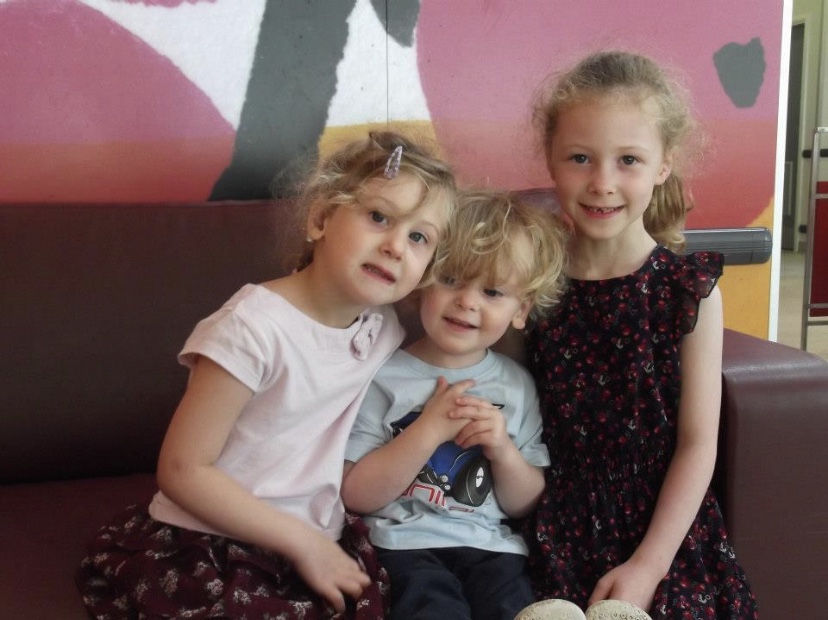
But the truth is, I often feel I’m at capacity. With one, with two, with three children. When we had a foster child, when they went. When we had a new foster baby, when we went back to three children. When we had five and then six. In truth, most mornings by the time we’ve dropped them all off at school I think ‘this is too much. I can’t do this.’
My experience is that it’s not me and my capacity or ability that enables me to do the hard things. In the hardest moments, God has been there. And the hardest moments are often the ones that have taught me the most. Taught me that on my own, I won’t be able to do it. Taught me to be humble and ask for help. Taught me to acknowledge my humanity and inability to be a perfect parent, and to know that I am held by a perfect Father God, who not only loves me, but loves these little ones more than I can, and promises to gently lead me as I open my arms to them.

So my suggestion would be to think, to talk to others, to research, to consider how life might change day to day, to pray, and to make that enquiry. Making that first phone call doesn’t commit you to anything, the process is long and in depth, and at any point along the way you can choose to delay the process or to stop. And that won’t be frowned upon, because at the end of the day it is important for these children that adopters are able to be fully committed to them. And if you keep going through the process, and welcome a new little one into your home, yes you’ll be stretched, but your capacity and you will both grow along the way.
Well it seems I managed to find a lot to say for one question! I’ll finish here and look at some others relating to the process in a different post. Here are some examples:
Q: Is there anything you wish you’d known when you went into the adoption process?
Q: Would the complicated parts of our personal story impact our chances of being approved? (eg finances/mental health/addiction history/impatience/older child with needs)
More to come tomorrow!
 Savouring My Days