What about the hard bits?

I didn’t write yesterday. In all honesty I’ve found the last couple of days emotionally charged, and I cried three times during the day, before then shoulder-shaking sobbing my way through an old episode of BGT with Toby, to the point that my not always overly observant or empathetic 10 year old son looked at me in a confused way and said, ‘Mum, do you need a hug?’

I think I’ve just felt a bit overwhelmed by the hard stuff of life – and loss. The news stories. Baby Loss Awareness Week. Burns Awareness Day. Lockdowns and more lockdowns. And in National Adoption Week, when I want to tell people how special adoption is, I know that the truth is there’s no adoption without loss.

I read a post this week by a struggling adopter that talked about the #Youcanadopt campaign, and how, in their opinion, that shouldn’t be the focus. In their experience they felt the more appropriate question is should you adopt?

Now I don’t know their story, but the post made me sad. Maybe there should be more preparation in the training. Maybe people go into it naively. Maybe they had an image of family that was disappointing. It definitely sounds like they need more support.

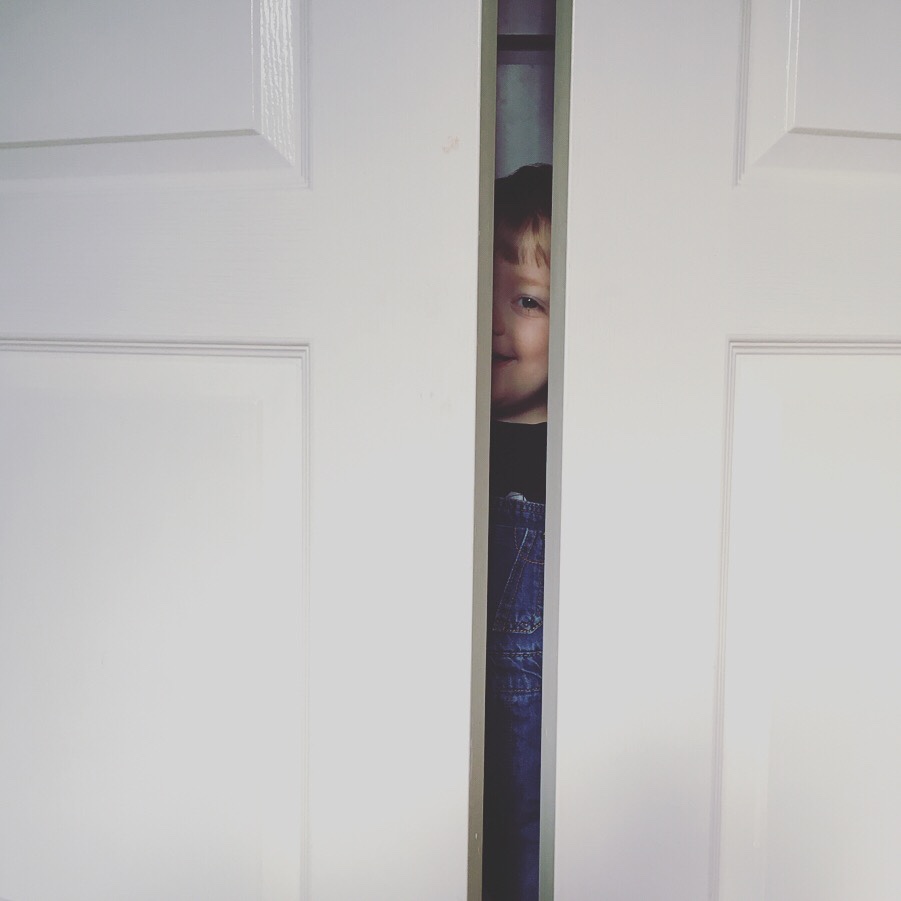
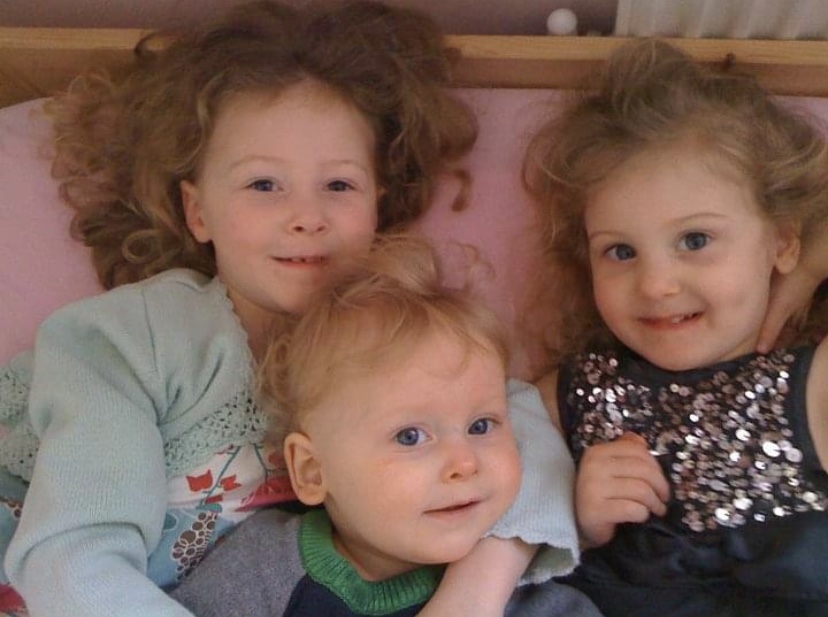
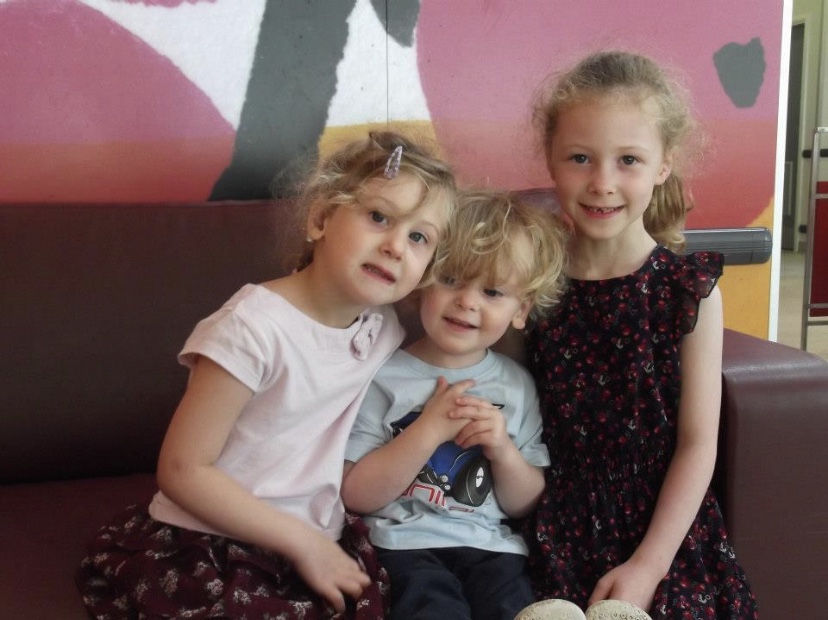
I know our journey was atypical, but I’m grateful that we went into adoption with our eyes open. There are some questions that I haven’t answered yet, because they head into the harder side of fostering and adoption. Because it’s not all cute photos of smiley toddlers with blonde curls. But in the nature of authenticity, I want to be honest, so here goes.

Q: How did your older 3 find the start of fostering/adopting.

Here’s where the story gets a bit complicated, and certainly where we learned a lot about learning to say no! In a lot of ways I’ve interlinked fostering and adoption in these posts because our journey led from one into the other. But here is where it would be different if you went only into adoption. When we were approved to foster, it was for 0-3 year olds, although at the time, Toby was only 2. Our preference was to have placements younger than he was, and it should have been the fostering departments priority too. If you go into adoption with older siblings, there are much stricter requirements over age gaps between the older and younger adopted sibling. However, at the time, the fostering service was stretched beyond capacity, and we as brand new (naive) carers were asked to take a child older than our age range, ‘as an emergency placement’ (should be 72 hours, then a suitable placement would be found). Unfortunately after the 72 hours there was no-one able to take this little one, and we had him with us for several months.

I absolutely believe everything happens for a reason, and I’m really grateful we’ve got to see that child’s journey over the years. But in all honesty, it wasn’t great for them to be an only child placed in the middle of a birth sibling group, and it wasn’t easy for our children to feel the impact of his trauma. It was definitely a tough few months. The reality of the impact of all he lived through was heartbreaking. The guilt of finding it so difficult was overwhelming. The challenge of trying to support him whilst not letting our children be pushed aside was daunting. And the fear of questioning whether we’d made the wrong choice was humiliating.

But the fascinating part of it is that when we talk to our older children about it now, they don’t remember how hard it was when he was here, but how sad they were when he left. They love the fact we still catch up from time to time.

I read an excellent chapter in Krish Kandiah’s book ‘The Greatest Secret-How Being God’s Adopted Children Changes Everything.’ The book is a brilliant read on the theme of adoption that runs right through the Bible, and how that can impact us and our lives. The chapter that resonated with me was on Suffering. Krish has an adopted daughter, and after her adoption was legalised, his family continued to be foster carers. He talks about the fact that his daughter changed from being a fostered child to being a fostering child in a fostering family.

He says ‘Watching her and my other children suffer for the sake of others in the home has sometimes made my heart ache in pain for them, and sometimes swell with pride in them…watching my children grow in kindness and empathy and generosity not just despite their sacrifices, but because of them has helped me understand something of God’s promise to work all things for good for the sake of those who love him.’

Krish goes on to talk about the fact of suffering in every adoption story, the loss for birth families, the scars on and in children, the historical trauma through generations, and the way that trauma in turn impacts the adoptive family as they feel the effects too-an effect known as secondary trauma.

The truth is, of course our children have been affected by the life we’ve chosen. And there have been days when we’ve questioned whether it was fair to ask them to do it. But when we talk to the older two girls about it, they are able to honestly articulate the hard parts of fostering and adoption, whilst at the same time being adamant they want to do it themselves. (Actually one of them is continually asking us to do it again. Now. I always tell her to ask her father…).

Obviously the significant difference for Megan, Maisie and Toby when we were approved to adopt the younger three was the fact there would be no hard goodbye this time. And for that, they were thrilled. Their request with every little one we fostered was, ‘please can we keep them?!’ To which I’d always point out that that wasn’t my decision.

Q: Did you always foster with the intention of it leading to adoption?

Short answer – no. We certainly didn’t go into fostering with a hidden agenda, and social services would have been very cross if we had! One of the reasons we were aware of the risks of asking to be considered to adopt the little three was that social services really need to retain their foster carers, and are never that keen on them adopting as that generally signifies the loss of another foster carer.

However, we had a lot of friends who were adopters, so we could see the differences between taking children as foster placements, right at the beginning of the court process, fresh from trauma, and being their safe place until a long term plan is made, and the differing challenges of adoption, in being yet another move, in being there for the long term difficulties, of being the ones to be called Mummy and Daddy, and being able to assure them of this being family forever.

So when it came to the little 3 having a permanent plan being made for them which looked like they would be split up, that was the point when we started to question if we were the ones to offer them a home together, forever.

Q: How do you cope with the grief of letting foster children move on?

The truth is that when we started tentatively asking each other the question of ‘should we ask the question?’, we were still hurting from saying goodbye to other little ones. When people found out we were keeping these ones, they would comment things like, ‘oh did you just fall in love with these ones too much?’

Actually, we fell in love with all of them. Saying goodbye was never, ever easy. And considering them potentially staying but then maybe still having to leave was a far far scarier prospect by that stage.

I think the hardest thing in our early fostering years was the isolation from people’s incorrect assumptions, ignorance, and misunderstanding. And maybe that is why I feel so strongly about sharing our story, and raising awareness. Fostering is not ‘just a job’. Saying goodbye isn’t easy even though you know that’s the plan. To truly care well, you have to genuinely care. You can’t hold back a part of your heart to shield yourself from pain, because that’s the very part of your heart a broken little person needs to start healing.

In other parts of the UK, they offer ‘foster to adopt’, also called ‘concurrent care’, or ‘early permanency’. These are situations where foster carers will also be approved as adopters, and offered a placement which is highly likely to become an adoptive placement. The benefits of this are not primarily in adopters being able to have a baby placement, but in the risk of uncertainty being moved from the child to the adult. The adults have to be aware that, like us during our adoption assessment, they may have to say goodbye to this child. However the huge benefits of the child potentially being able to stay with minimum disruption and moves and further trauma far outweighs the risk. It is one of the things that really bothers me that this system isn’t offered in Wales, because I can see firsthand with Micah the huge benefits to a baby to be placed from birth and never having to move again.

So in terms of the ones we had to say goodbye to, and how we handled that grief? Obviously, we knew it was the likely outcome, and for most of them, seeing them transition to the right home definitely helped the sense of loss. By far the hardest was the one who we questioned the wisdom of the decision, and we ultimately lost touch with.

In practical terms, it helped me towards the end of the placement to create a photo book as a record for them and for us, of the time we’d spent together. It felt like fitting a piece in their jigsaw, to have the time documented, and to be able to see how much we’d invested in them. To feel that we’d done a job well. In the transition stage we tried to fit in a little goodbye tea for the friends and family who’d supported us and who would also be saying goodbye to a little one they’d fallen in love with. And we made some family time once they had moved to just be the five of us. Whether a holiday, or a camping trip, or just a day out, we took the opportunity to do something special together, and to celebrate our three in the role they’d played too.

We have been very lucky in moving several of them on to families who have kept in touch with us, and that is something we never take for granted. And obviously in adopting our younger three, life has got busier, and our commitment is to celebrating our family now.

But there are definitely still times we allow ourselves to grieve those losses. When we moved home, and cleared out boxes of baby girls clothes, it knocked us both sideways. Looking at outfits worn by three little ones we’d moved on, all the memories and love wrapped up in those clothes. There are still moments in church when I remember fondly the baby who would rock back and forth vigorously through every song. Or the little one who would lift her arms up to me and call me Mummy.

How do I cope with the grief? I think I’ve learned to accept it and allow myself to feel it. That in feeling all those feelings, I gave them everything I could to be able to attach well wherever they went. That they needed someone who would love them as their own and cry when they left, to be able to form their own healthy attachments and relationships in the future.

And, ultimately, I keep having to remember that all of the children I’ve opened my arms to are lent to me. They are not mine to objectify and hold on to. They are gifted to me to nurture, to love, to embrace with all I have for the time I have them. From the moment Megan arrived, she was nothing like I expected. She was a whole individual being of her own, whom I get the honour of guiding, of coming alongside, of being there, until she’s ready to fly. And the truth is I don’t know how that will look for any of my children, or how easy or hard or long that road might be. But it’s the biggest privilege I have, to be given the honour of being the one who gets to kiss the bumped knees, make the birthday cakes, write the emails, wipe the tears, listen to the fears, show up when it’s hard and prove that I’ll keep showing up however hard it is. Because they are chosen and precious and beautiful and I am the lucky one.
Adoption First Steps – What do you wish you’d known?

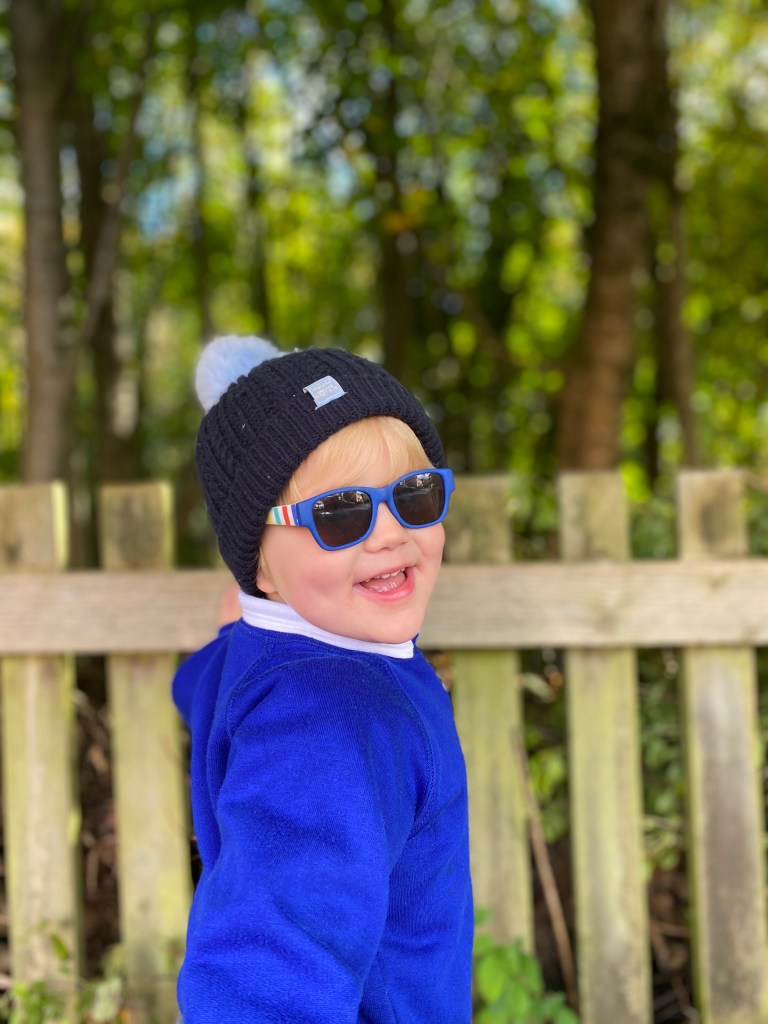
Hello again on a damp Tuesday evening! I thought this morning how much I’d enjoyed writing last night because it was in no way related to Covid. It made me realise how much our lives have been taken over this year. But enough of that, we enjoyed popping to our favourite cake shop today to buy cupcakes, an extra special after school treat! Some of us opted for traditional autumn clothing of bobble hat teamed with sunglasses.

But back to National Adoption Week. A lot of people are understandably anxious about the assessment and approval process, so I’ll try and talk those things through a bit.

Q: I’ve heard that to adopt you need to – have a spare room/have a year’s savings/have a large support network/have never lost your temper/be a super-human.

Ok so maybe I stretched that a bit, but there are definitely lots of things people have heard about the kind of person who will be approved to adopt, a lot of it not true. The Adoption UK’s campaign this year is #Youcanadopt, to try and break down some of those perceived barriers.

The first one is true, however. You do need a spare room to adopt. The reason for that is to give an adopted child a safe and private place. That doesn’t mean that siblings can’t share, however. We have our two youngest boys in one room, our two oldest girls share, and Toby and Miss M have their own rooms.

Beyond that, however, the assessment is definitely not looking for perfect people. It does dig deeply into personal stories, because it is essential that children are placed in as safe and stable a home as possible. But the assessors and panel know that most people have complex lives. People of any faith, any race, any sexual orientation, single or in a relationship can adopt. Financially as far as I’m aware, there isn’t a set requirement for savings. Finances are assessed, but that doesn’t rule people out. When we began our fostering assessment we were in significant debt, and were in a debt repayment programme. The fact that we had recognised our difficulties and taken steps to get ourselves in a better financial position, and were able to show how we would be able to provide for a child, meant that we were approved anyway. When it comes to adoption, there can be financial support in various ways, and there’s no shame in enquiring if things get difficult. The welfare of the child is paramount, and no one can predict at the beginning of a placement what might happen in the future (pandemics, for example!).

In a similar way, many of the trickier things in people’s pasts are not a barrier. What the assessment looks for is that people have thought those issues through, have learned from mistakes, have worked through challenges, and have been honest in the assessment process, and are self-aware enough to know what their limitations may be. No one is perfect. We all have a past. And often the very challenges we’ve been through ourselves may be the experiences that can make us the right parent for our children.

Aunties willing to be clambered over and look through memory boxes a thousand times are a definite bonus.

Support networks are valuable – most of us know the old African proverb ‘It takes a village to raise a child.’ Parenting is incredible – but can be incredibly relentless and wearing. And parenting children with a history of trauma can definitely bring challenges along the way.

However, I will say that I think support networks can also change and grow over time. We are very lucky in having families nearby and many close friends through church and schools. But when I think back to our support network that we described in our fostering assessment 9 years ago, there are definitely changes. People move away, friendships change, family situations alter as people get older. And new support comes in too. There are new friendships that are incredibly special, there can be relationships formed through toddler groups, adoption groups, and school communities that you wouldn’t be able to anticipate at the beginning of this journey.

So I think again the important part is to consider those things. If you are a single adopter, it will be essential to have people you know would be there to give you a break to recharge batteries. If you’re in a couple, you need time together to keep being a strong team for your child. If you work, knowing who you could call for emergency childcare will help. But those things aren’t set in stone, and not having all the answers doesn’t mean you wouldn’t get through, it’s about showing an understanding of the value for the child’s wellbeing being linked to your own wellbeing along the way.

Q: People have told us we need volunteering experience, why? If you get pregnant you might not have experience of children!

I hadn’t heard this before, but I can see the sense in it. As a new parent you question everything, and as adoptive parent there are even more reasons to question what is normal. So to have some understanding of children will help. And the odd nappy change or cleaning up vomit experience wouldn’t go amiss either!

However, on the flip side, I grew up with five younger siblings, was a qualified midwife, and I still felt clueless when presented with my firstborn. Who clearly had not read the books I’d read about the need for her to nap 2.5 hours every afternoon. I was lucky if she slept for 15 minutes. And then I spent the remaining time trying in vain to get her back to sleep, because the book said so. Ultimately, children are unique individuals who don’t fit a handbook, and we’re all learning as we go. Maybe having too many preconceived ideas and pressures can cause more anxiety than benefit.

Q: Is there anything you weren’t told before you started the adoption process that you wish you had been told, and do you have any advice to give someone looking to start it?

I think when I look back now, particularly with experience of sitting on the other side of panel too, I think it would be to know that they really do want to approve adopters! I think because the process is so in depth and intense it can feel like you’re constantly having to prove yourself. I used to tell Liam before the social worker came to make sure he didn’t tell any jokes!!! The ironic thing being that both our assessing social workers had a really good rapport with him, and commented really positively in our assessment about his sense of humour (they clearly hadn’t been married to him!). Obviously the process needs to be like that because the children’s needs and safety are the central thing in it all, and finding the right people who are committed and caring and understanding of the issues at stake is essential. But at the heart of it, social services have children they desperately want to find homes for, so they certainly are not out to reject potential families for the sake of it.

I think if I had advice to give someone starting the process, it would be that as you go through it all, the meetings, the waiting, the stressful moments when it feels like it will never happen, to keep in focus that at the centre of it all is a small child. And that small child needs someone who is willing to risk their own heart to help the child heal. Who is courageous enough to face the unknown to offer safety to a little one who’s come from the unthinkable. Who is willing to choose to love to a child who has no idea how to.

I think that’s what has helped me through the risks and unknowns and frustrations of the process, and helps me through the hard parts of parenting.

And I wish I’d known how much I could love them.

‘A child born to another woman calls me Mummy. The magnitude of that tragedy and the depth of that privilege are not lost on me.’ (Jody Landers)

Adoption First Steps – Can I Do It?

Megan, Maisie and Toby around when we began the assessment (aged 4,3 and 1).

I’ve been blown away by all the questions I’ve had over the last 24 hours! Really practical ones, thought provoking ones, ones from people I know, ones from complete strangers. I love that people are thinking about adoption, talking about it, stopping to consider. I know that it’s not for everyone, but I also know that the children who are waiting need people to stop and question if it just might be for them.

I thought I’d break the questions into some different topics, and write a couple of posts this week talking about them, starting, well, at the beginning. I had several questions about how to know when you’re ready to consider adoption (particularly if you have other children already), about gaining experience beforehand, and about the approval process and panel.

So I have to be honest in this, because we didn’t adopt via the traditional route. As we were already foster carers, and the two little ones came as a foster placement, we didn’t do the normal enquiry/information evening/assessment type road. Instead we had a ‘child-specific’ adoption assessment, tailored to the particular children we were applying to be approved to adopt.

However, five years before that, we did go through the assessment process to be approved to foster. We did the enquiry, the initial visit, the information evenings, the assessment, the panel. And nearly a year ago, I became an Independent Panel member for a Fostering Service. So although we didn’t do the adoption assessment traditionally, in a lot of ways its not dissimilar to the process to fostering approval, and I now have more of an insight into how panel consider assessments too. So I hope that this is still useful!

Q: “How do you know when it’s the right time? I sometimes feel at capacity with my children already!”

Brilliant question!!! Obviously the answer to that will be so unique to different families, but I can share my experience.

We had Megan and Maisie a year apart, and then Toby 2.5 years later. When I went back to work as a midwife, Maisie was still having a lot of health input following her cleft palate and repair as a baby, and it was a real challenge to care for three small children whilst juggling those appointments and shift work as a midwife. The maternity service was changing to 12.5 hour shifts, and I was reaching a point where I felt that I wasn’t caring well for either my family or my patients. When I was at work, I had my children and their needs on my mind, when I was at home, I felt anxious about the women and babies I had looked after, or what the shift ahead might hold. So we were getting to a point where I felt stressed most of the time, and we started considering what I might be able to do instead. Fostering was already something we both felt a desire to get involved in, but we’d thought it was something older couples did as their children left home. But the more we talked about it, the more we wondered whether it might be a good time to consider it. We already had a home full of toys, our birth children might make a foster child feel more comfortable, and although we would be adding to the busyness, it would mean I could be at home and available for appointments and school runs. And it would enable our birth children to grow up with the idea of sharing what we have been blessed with, and of choosing to go out of our comfort zones to care for others who are in need, even if that is hard at times.

So after looking into it a bit more via the council websites, considering the financial implications, and chatting to friends who fostered and a Social Worker friend, and praying, we just decided to bite the bullet and enquire. For us it was about trusting that God would make it clear along the way whether it was the right thing at the right time.

In terms of capacity, and the implication of adding more children to our already busy and still young household, I think the place I came to was that capacity grows as you stretch it. From the moment we brought Megan home as a new baby, I felt overwhelmed and incapable. I didn’t expect to feel like that, but my mental health was struggling, and she was a challenging, non-sleeping, collicky baby who much preferred her father to me! So when I became pregnant again when she was four months old, I couldn’t imagine how on earth I would manage. I would stand in her bedroom in the night rocking her to sleep and crying that I wouldn’t be able to manage. Fast forward nine months, and Megan was an early walking/talking one year old, and Maisie arrived with her undiagnosed cleft palate. And it was hard!

Yes, it was hard, but it also grew me. I learned from all the times that I would phone Liam in a stress to find out when he’d be home, that most of the time, in the 15 minutes it took for him to get back, the crisis would have eased. So I learned to ride out the 15 minutes and see how we were getting on. Or I would just put them in a bath, the magic cure for many toddler (and child. And teenage.) meltdowns.

So by the time we had Toby, my children and my perspective had changed. And he was a different personality again. He fed well. He slept well. All night, and for three hours in the afternoon.

Three aged three and under!

So not longer after he turned one, because we knew the process would take a while, we felt that we were at a place where we would enquire.

It took 18 months from that initial enquiry to being approved, so in that time things had changed a lot again. Toby was 2.5, and the girls were in school, so in that sense it was more manageable.

A few months into our first foster placement, aged 6, 5 and 2

But the truth is, I often feel I’m at capacity. With one, with two, with three children. When we had a foster child, when they went. When we had a new foster baby, when we went back to three children. When we had five and then six. In truth, most mornings by the time we’ve dropped them all off at school I think ‘this is too much. I can’t do this.’

My experience is that it’s not me and my capacity or ability that enables me to do the hard things. In the hardest moments, God has been there. And the hardest moments are often the ones that have taught me the most. Taught me that on my own, I won’t be able to do it. Taught me to be humble and ask for help. Taught me to acknowledge my humanity and inability to be a perfect parent, and to know that I am held by a perfect Father God, who not only loves me, but loves these little ones more than I can, and promises to gently lead me as I open my arms to them.

Summer 2020

So my suggestion would be to think, to talk to others, to research, to consider how life might change day to day, to pray, and to make that enquiry. Making that first phone call doesn’t commit you to anything, the process is long and in depth, and at any point along the way you can choose to delay the process or to stop. And that won’t be frowned upon, because at the end of the day it is important for these children that adopters are able to be fully committed to them. And if you keep going through the process, and welcome a new little one into your home, yes you’ll be stretched, but your capacity and you will both grow along the way.

Well it seems I managed to find a lot to say for one question! I’ll finish here and look at some others relating to the process in a different post. Here are some examples:

Q: Is there anything you wish you’d known when you went into the adoption process?

Q: Would the complicated parts of our personal story impact our chances of being approved? (eg finances/mental health/addiction history/impatience/older child with needs)

More to come tomorrow!

Autumn Inspiration

Hello Autumn 🍂

Megan asked me why I decorate for Autumn, but not Spring or Summer. She feels it’s unfair on the other seasons that they don’t get their own display. I said I decorate for Easter, which feels like essentially celebrating Spring, and in Summer we are too busy being outside enjoying the sun and sea. Winter has Christmas to brighten it up. But Autumn feels like it needs a gentle hello as it ushers in its darker nights and wet days and dying trees and sense of loss.

Truthfully, I feel like my body and my mind sense Autumn and anxiety rises. For five years in a row, September came and with it came loss.

8 years ago this month, we said our first hard goodbye to a little foster person.

The following Autumn, we did another heartbreaking transition of a little one we loved.

The next two Septembers brought two more moves of two precious babies to their forever homes, joy and grief intertwined.

And then 2016. Much of that October I spent by Theo’s side in hospital, in HDU, and then nursing him back to health at home, in between Maddie’s physio sessions and an adoption assessment. It felt hard and wearing and never ending and scary.

And then.

And then Dan died.

The hardest of goodbyes. That kind of loss doesn’t have silver linings. You wake up in the morning and there’s a stomach sinking sickness. A heart hurting chest pain. The feeling that all the hard stuff had been building up and up, and this was the peak of pain that would last as long as I did.

But grief, as everyone promised, changes with time. Life grows around it and although the pain is real, there are days when it is huge and tear jerking, and there are days when it’s a quiet pain, a dull ache, poignant memories, and life surrounds it – sometimes joyfully, sometimes suffocating it by not giving it room to be felt.

September is always the month of new routines, tired children, weather changes. But this year brought the added challenges of no school bus, extra long transitions for children who’d missed half a year of school, or whose anxiety levels were through the roof. Then there were illnesses. Trying to speak to GPs. The stress of whether to test or not test. The potential implications of doing it or not doing it. A weekend isolating the whole family whilst we waited. Emails to schools, social workers, health professionals. Application forms and budget sums. And then, as September came to an end, the news of a local lockdown.

My body shows the anxiety even when I don’t recognise it for what it is. Shoulder pain. Jaw ache. Chest tightening.

And finally the tears came and with them the sense of being done. I’ve looked for good for sixth months and I’m done with it now. This just is rubbish. All the fun things are gone. I cried for a day and talked to family and friends and God. I was afraid. What if this is another year where we face loss after loss and hard thing after hard thing and then it gets even worse? I don’t think I can do it anymore.

And then the next morning I read these words, quoted by a woman who truly knows suffering, written to her by a man who lives it too.

“To inspire (used nonreflexively), from the Latin inspirate, has of course the stem spir in it. It is, very literally, to give or put spirit into someone. To inspire someone is way more than making them happy or amazed or even making them feel good. It is to lend them spirit when they are short. And of course because of the incorporeal nature of both air and spirit, the act of inhaling also becomes known as inspiration. In that sense too: it is like mechanical ventilation for a soul that’s lost its resolve for a moment.” (From I Am by M Cushatt).

That morning I went for a run, the first one for several weeks since I’d been ill. And I got to the bottom of the first hill and thought about how it was going to feel impossible, and thought about the act of inhaling. Every run I’ve done, that first hill makes me think I can’t do it. But I’ve learned to just keep going. To aim to get to the next minute or the next landmark. And to breathe slowly. To inspire.

Those words in the book struck a chord – ‘a soul that’s lost its resolve for a moment.’ That was me. I needed inspiration for getting through a dreary looking Autumn. I needed fresh air in my soul, to keep me taking the next step, to keep plodding until the next landmark.

And if I stop for a minute I find it. In the words of the book I was reading. In the love behind the messages in my phone. In the old hymn that popped up on my Facebook memories. In the stories of people who’ve faced with courage much greater hardship than I have these six months. In the history of people who messed up and gave up and God gave them the breath and the words and the grace and the courage to keep going. Moses and Jacob and David.

And in Jesus. The Man who left His throne and knelt crying in a garden, asking God if there was any way this could be done differently. But because of love, He did it. Faced the worst pain, the greatest loneliness, the agony of death. To bring life. To give breath. To send His Spirit. ‘…and where the Spirit of the Lord is, there is freedom.’ – 2 Corinthians 3:17

As I ran slowly I realised that true inspiration doesn’t come from the creative Instagram accounts I follow, or the stories of success I envy. I need the kind of inspiration that gives life and hope and purpose. And the kind of inspiration that makes me want to share hope with others whose reserves are running low. To reach out and help someone else along.

I’ve had this post half written for a week and not shared it because I was aware my last few posts had been about the hard stuff. Honestly, I was trying to find something upbeat or funny to write but then I realised that I just needed to be me, and to be honest. This Autumn isn’t how any of us thought it would be, and some of that is hard. And it’s ok to acknowledge when we’re struggling. Sometimes my greatest inspiration comes from the people who are real and vulnerable and who don’t hide the hard stuff but speak it out and cry it out and pray over it and get up and keep going.

So we made it through September, and then yesterday I dug out my Autumn decorations and bought a pumpkin and we found acorns by the river. And we laughed at the way Theo says ‘liter-tea’ instead of literally, and how Micah woke me up the other night when he was in our bed because he was in fits of giggles at Liam snoring. And then he tried to copy it, and made himself giggle again.

And I stopped to be grateful that two of my kids are getting amazing support from deputy head teachers who genuinely care. And that in these wet days we have a warm home and food on our plates and that there will be brighter days to come. And I was grateful for inspiration in all the ways it comes, for life and hope breathed into my weary soul to lift my feet to take another step forward. For prayers answered and promises kept and hope renewed.

Hello Autumn 2020. We’re ready for you.